When we curate a space, color is often the first language we speak. We choose hues to soothe, to energize, or to establish an architectural mood. But long before the advent of modern color theory, the Amazigh (Berber) women of Morocco were utilizing color not merely to decorate, but to summon the deepest forces of nature.
To look at the vibrant, horizontal bands of a traditional Moroccan flatweave or the striking geometry of an Atlas Mountain shawl is to gaze upon a carefully orchestrated prayer. At Nomadinas, we believe that understanding the spiritual weight of these colors unlocks the true luxury of Moroccan craftsmanship.
The vivid reds, greens, yellows, and blacks woven into these textiles are not arbitrary choices. They are intimately tied to the fertility of the earth, the lifecycle of the harvest, and an ancient, rain-summoning ritual honoring a mystical figure known as the “Bride of the Rain.”
The Four Pillars of the Palette
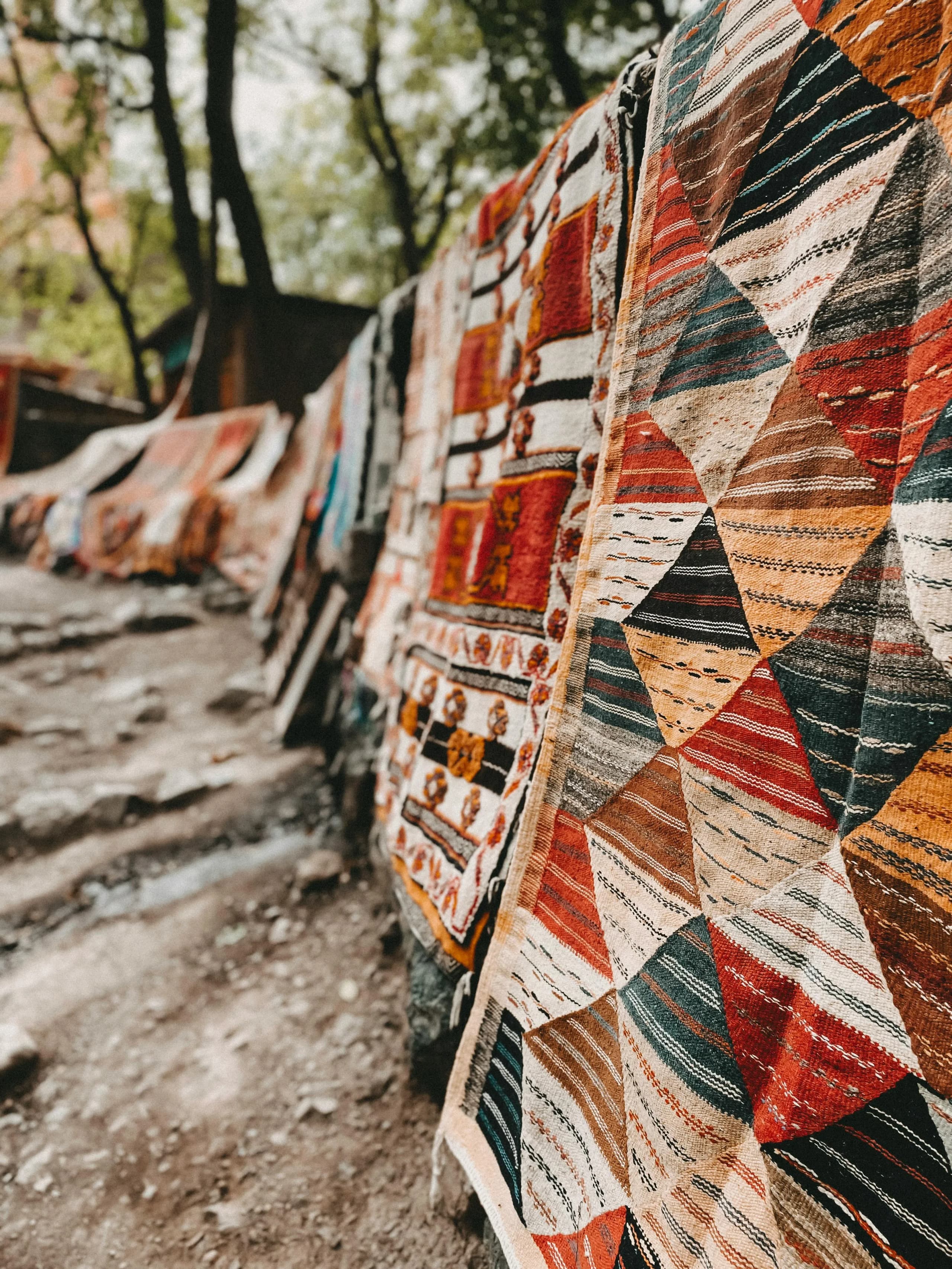
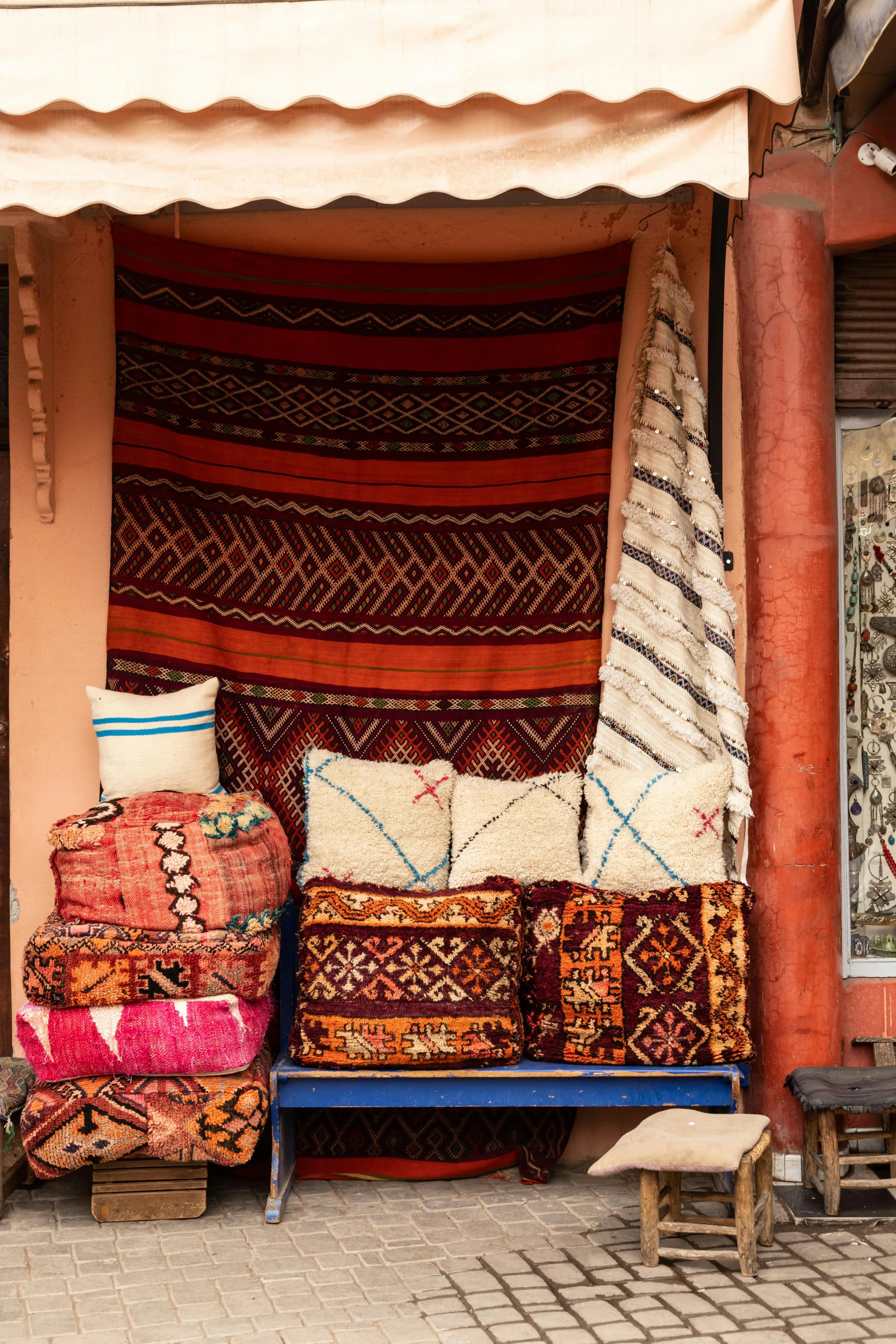
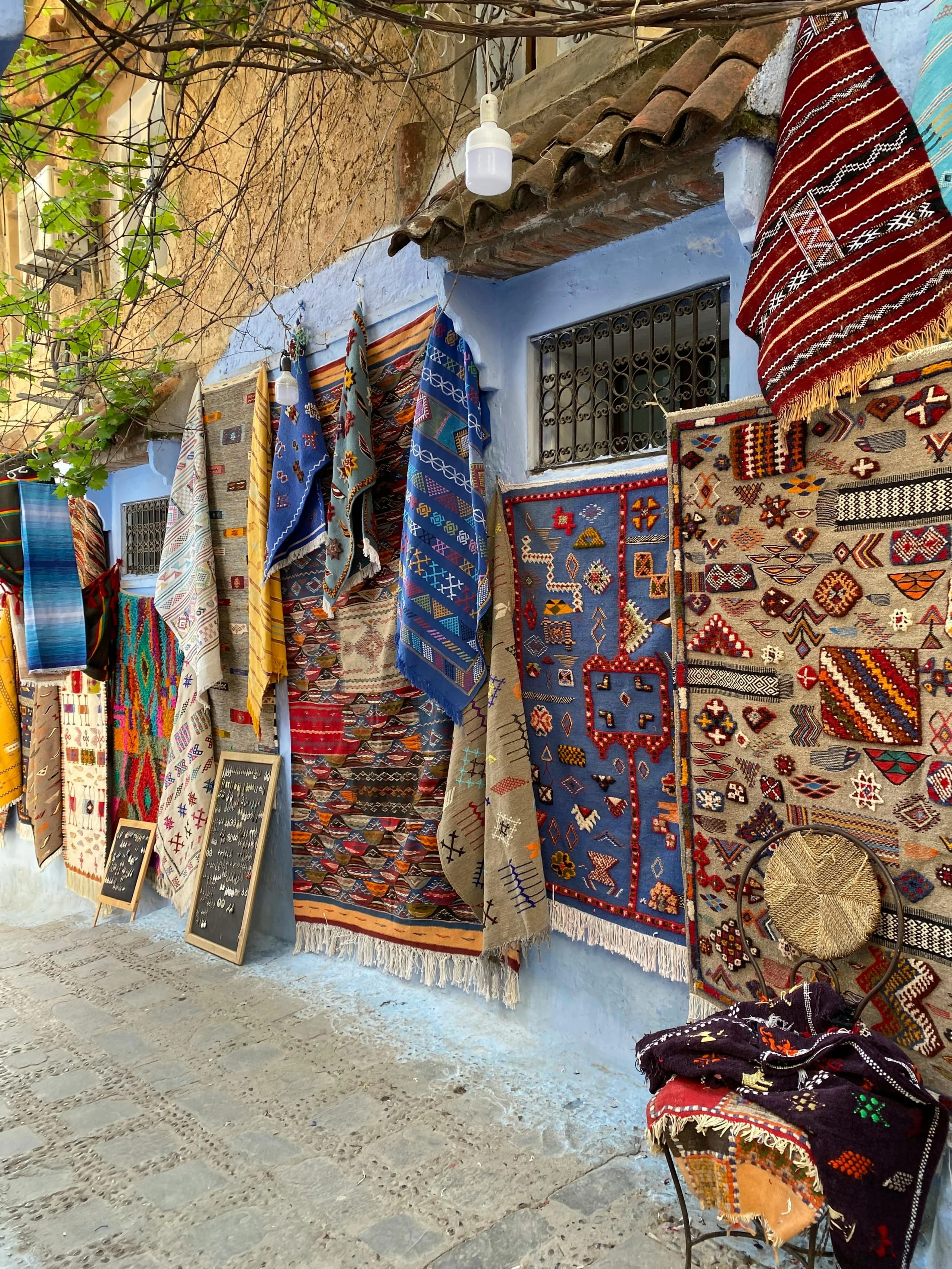
While modern Moroccan weaving has expanded to include a vast spectrum of hues, the ancestral foundation of Amazigh textiles relies on a very specific, deeply symbolic color palette. For tribes like the Aït Khabbash in southeastern Morocco, the primary colors are red, green, yellow, and black (with deep purple occasionally substituting for black).
These colors are deeply rooted in the natural environment and are strictly divided into a light and dark dichotomy. Light colors, such as red and yellow, represent the brilliant, life-giving energy of the sun. Dark colors, like green and black, represent the shadows, the earth, and the cool depths of nature. When weaving a traditional textile, a woman will intentionally place a dark color next to a light color, creating a profound sense of order, balance, and visual rhythm.
But these colors represent much more than aesthetic balance. They trace the very arc of life itself. The women associate the progression of green, yellow, red, and black with the ripening of the vital date palms in the oasis, and the aging process of sacred henna as it fades on the skin. These hues are the visual manifestation of growth, maturation, and the passage of time.
Tislit n Unzar: The Bride of the Rain
The most profound inspiration for this vibrant color palette comes from the sky itself. To the Amazigh people, the rainbow is the ultimate metaphor for female fertility, and the inspiration for the red, green, yellow, and black woven into their most precious shawls.
In the Tamazight language, the rainbow is beautifully referred to as tislit n unzar, which translates directly to “bride of the rain.” In the arid, sun-baked regions of southeastern Morocco, where rainfall is scarce and highly revered, the appearance of a rainbow is a rare, magical event that promises life and agricultural prosperity.
Because the fertility of the land is intrinsically linked to the fertility of women in Amazigh culture, the rainbow becomes a powerful symbol of matriarchal strength. The women weave the colors of the tislit n unzar into their textiles to envelop themselves and their families in this life-affirming, prosperous energy.
The Telyunja Ritual
This connection between women, color, and the life-giving power of water is brought to life in one of the most captivating rituals of the Amazigh culture: the telyunja ceremony.
During times of severe drought, the women of the tribe will spontaneously organize a “bride of the rain” ceremony to ask the heavens for relief. They take a large wooden ladle—a humble, everyday tool used to mix soup—and outfit it to look like a traditional Amazigh bride, dressing it in miniature garments featuring the sacred colors of red, green, yellow, black, and white.
Carrying this wooden “bride,” the women and children process from house to house, singing ancient chants that plead with God to send the rains, before finally carrying the telyunja to a dried-up riverbed. This deeply emotional, communal ritual underscores the belief that the vibrant colors worn by the bride—and woven into the tribe's rugs—possess the spiritual gravity required to speak directly to the elements.
Woven Vitality in the Modern Home
When we understand the profound symbolism behind these colors, a Moroccan rug transforms from a mere design element into a vessel of vital energy.
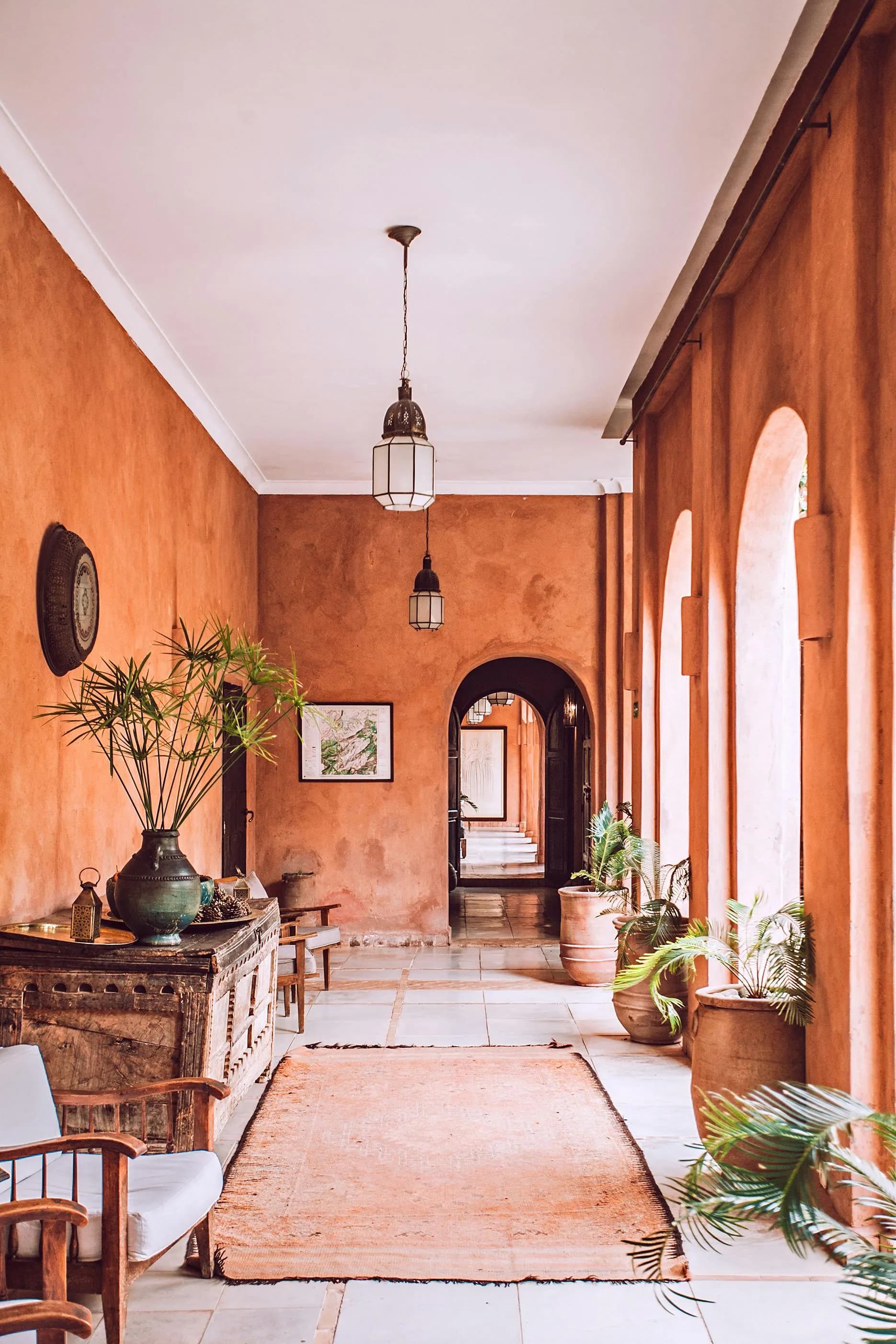
Integrating these deeply saturated, historically rich textiles into a modern interior is an act of grounding. In a world of stark, neutral architecture, a rug bearing the colors of the tislit n unzar introduces an immediate sense of warmth, history, and human connection. It reminds us of the delicate balance between the sun and the earth, and the ancient women who wove prayers for rain into the very fabric of their homes.
At Nomadinas, we curate pieces that sing with this ancestral color palette. Whether it is a vibrantly banded kilim or a deeply hued tribal shawl, we invite you to bring the sacred, life-giving colors of the Moroccan landscape into your own personal sanctuary.