Loading
(70 sales)
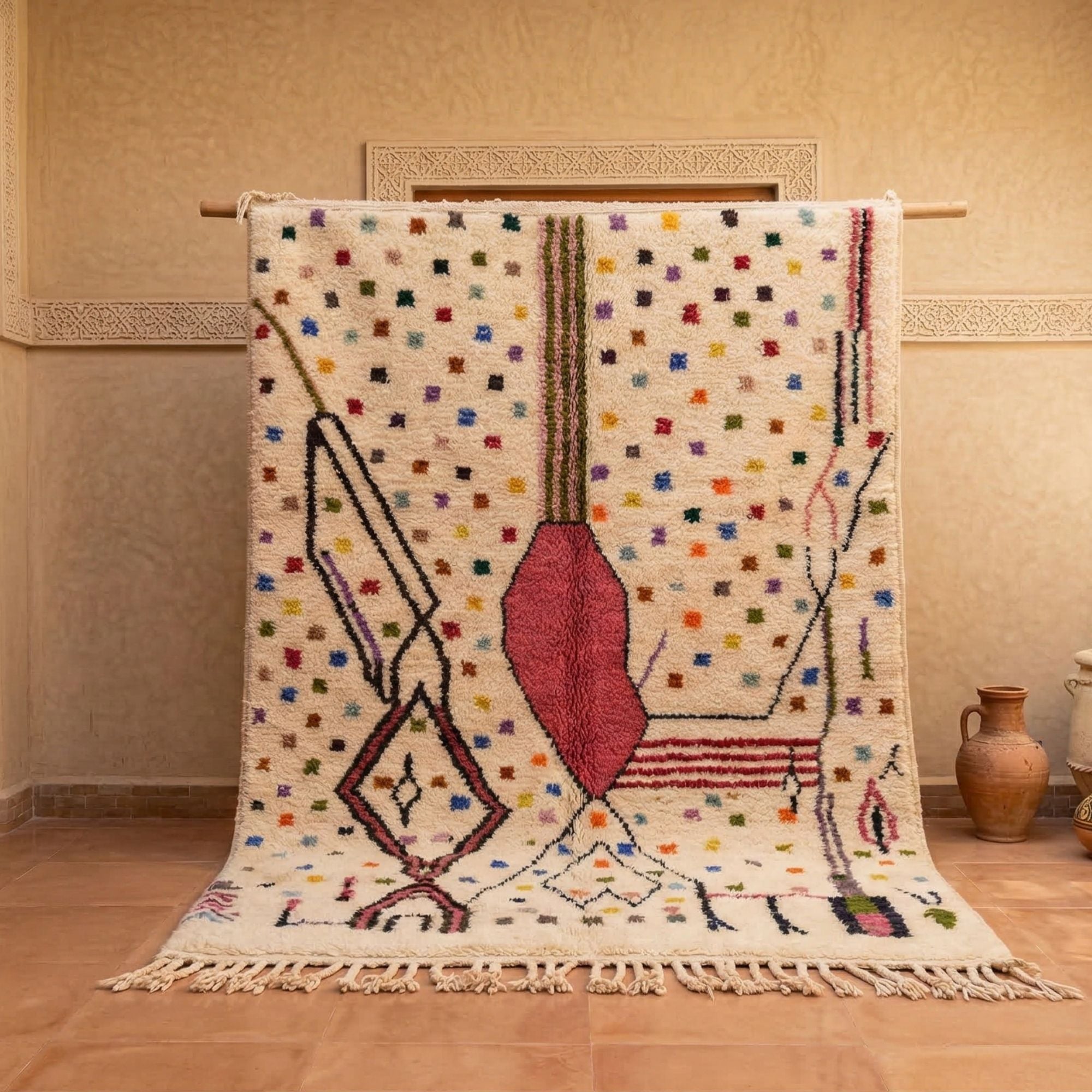
Traditional Medium Azilal — Ivory Hand-Knotted Wool Rug
Azilal · Handmade in Morocco
$79.00$15853% off
Star Seller · Typically responds within a few hours
Highlights
- Handmade in Morocco
- 100% Wool
- Ivory color palette
- Free DHL Express worldwide shipping
- 30-day returns accepted
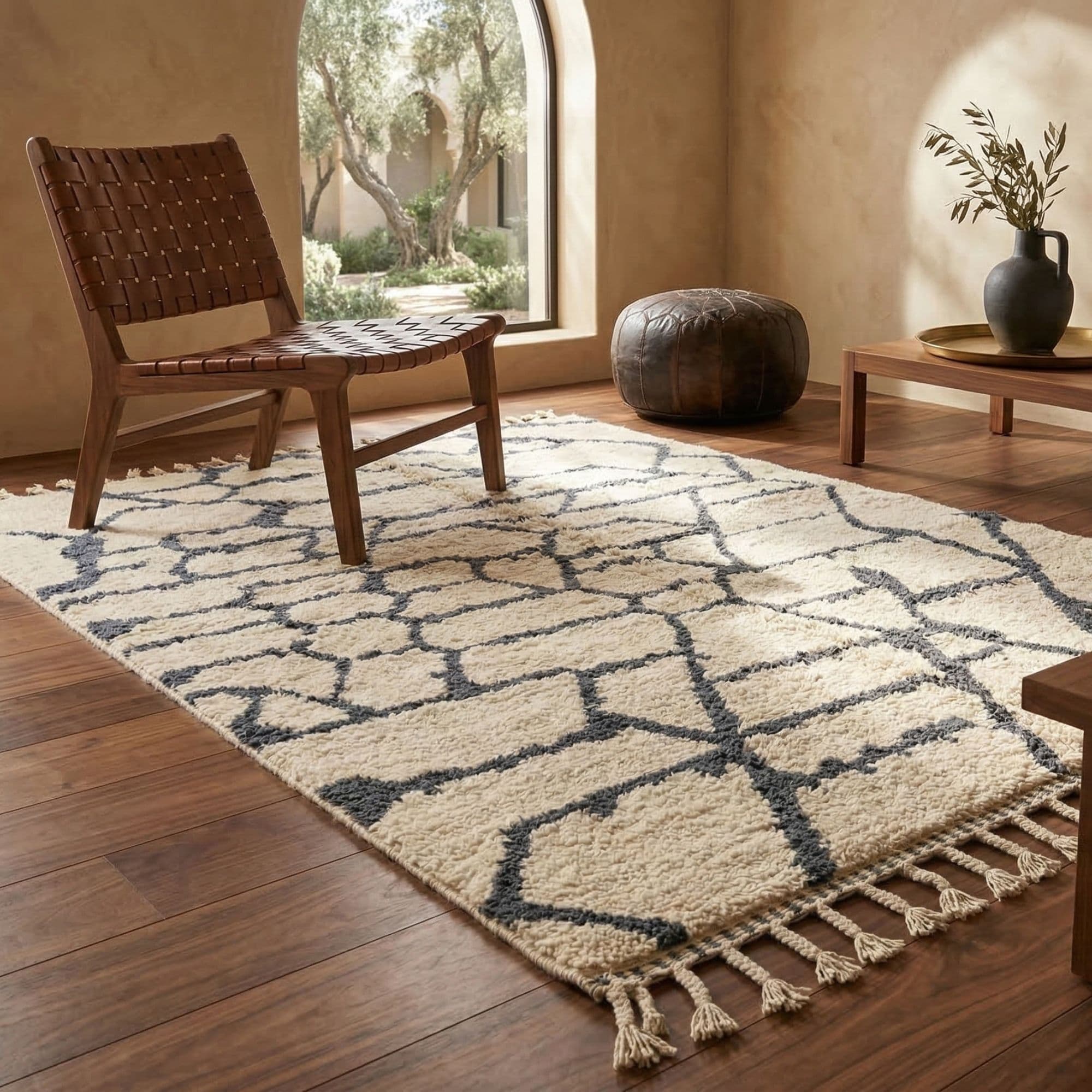
This Azilal rug brings Moroccan rug into focus through an ivory palette and a surface animated by tribal symbolic details. The hand-knotting technique produces a fabric that is structurally dense yet visually airy, and the wool's natural luster gives the ivory field a quiet glow that changes with the angle of observation. It is a piece that asks to be experienced in person — touched, walked on, lived with — before its full character reveals itself. Across the surface, tribal symbolic motifs repeat with subtle variations, creating a composition that shifts as light moves across the room. The pattern density is measured — enough to draw the eye, restrained enough to let the ivory field remain the dominant visual force. Each motif has a relationship to those around it: some mirror each other, some offset, some introduce a new shape that breaks the rhythm before it becomes predictable. This variation is intentional. In Berber weaving traditions, small deviations from perfect symmetry are valued as signs of the human hand — a deliberate imperfection that distinguishes handmade work from industrial production. The ivory tones carry the composition, with natural wool variations creating subtle striations across the surface. Because the wool is hand-spun and hand-dyed, no two sections reflect light identically — the color appears to shift subtly depending on the angle and the time of day. This depth keeps the rug feeling alive rather than flat. The ivory ground is not a single uniform shade but a collection of closely related tones that build depth through accumulation. In some areas the wool reads as almost white; in others, it deepens into a warm cream. This range exists naturally, without any artificial distressing or over-dyeing. A flat wool surface defines the tactile experience of this rug. The medium pile provides comfort without sacrificing definition — the tribal symbolic motifs remain clearly legible even as the wool compresses under furniture or foot traffic. Hand-knotting produces a slightly irregular surface that catches light at varying angles, adding visual texture to the ivory field. This surface variation means the rug never looks flat or uniform: shadows collect in the low points of the knots, light catches the high points, and the overall effect is one of depth and warmth that changes throughout the day. Designed to ground a room without dominating it, this rug suits Bedroom and Studio where the ivory field can anchor the layout. It complements both minimal and layered interiors: in sparse spaces it provides texture, in layered rooms it offers a calm counterpoint. Azilal rugs work particularly well with neutral wall tones and natural fiber accents. The rug's adaptability comes from its restraint: the pattern is present but not loud, the color is warm but not saturated, the texture is rich but not shaggy. It occupies a middle ground that makes it useful across different design vocabularies, from Scandinavian minimalism to organic modernism to North African-inspired interiors. Moroccan Azilal rugs have been woven for centuries by Berber communities who pass techniques through families. This piece continues that lineage. Made from 100% wool and knotted by hand, it carries the subtle evidence of its making — small irregularities that signal authenticity rather than imperfection. The rug you receive will not be identical to any other Azilal rug, even one woven in the same village using the same materials. The weaver's decisions — where to place each knot, how much tension to apply, when to introduce a variation in the pattern — are shaped by their individual experience and intuition. This is what makes hand-knotted rugs collectible: not their uniformity but their singularity. Every example is a unique document of a particular artisan's work.
Free worldwide shipping
30-day returns
- Size
- All sizes available
- Material
- 100% Wool
- Origin
- Morocco
- Color
- Ivory
- Best for
- Bedroom, Studio, Den
You may also like
View all
From the blog
View all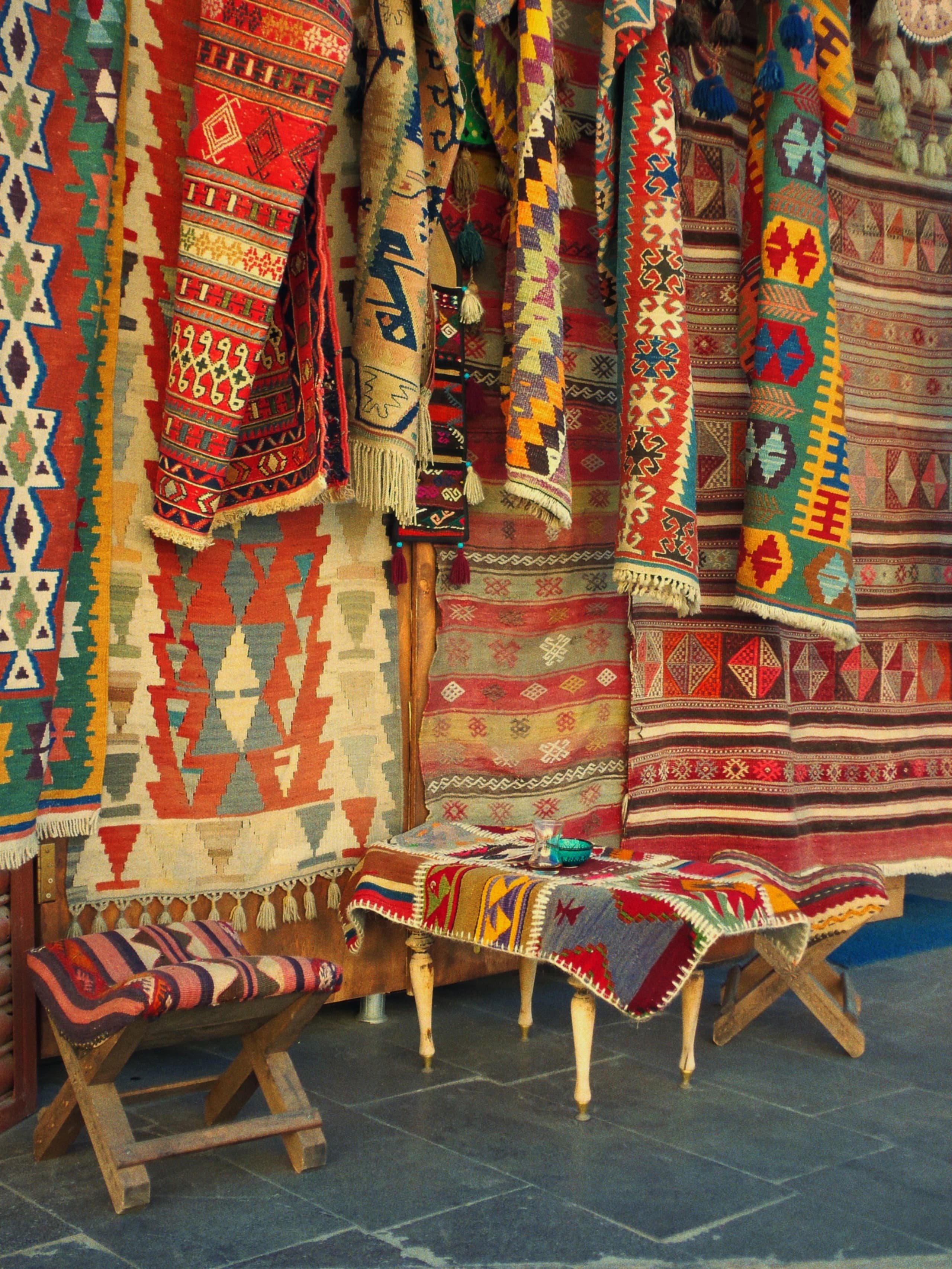
Moroccan Rugs·5 min read
Colors of the Kem-Kem: How Desert Design Birthed the Modern Moroccan Rug
Explore the vibrant, recycled rugs of the Aït Khebbach tribe. Discover how a transition from nomadic life sparked a revolutionary era of Moroccan desert design.
Craftsmanship·8 min read
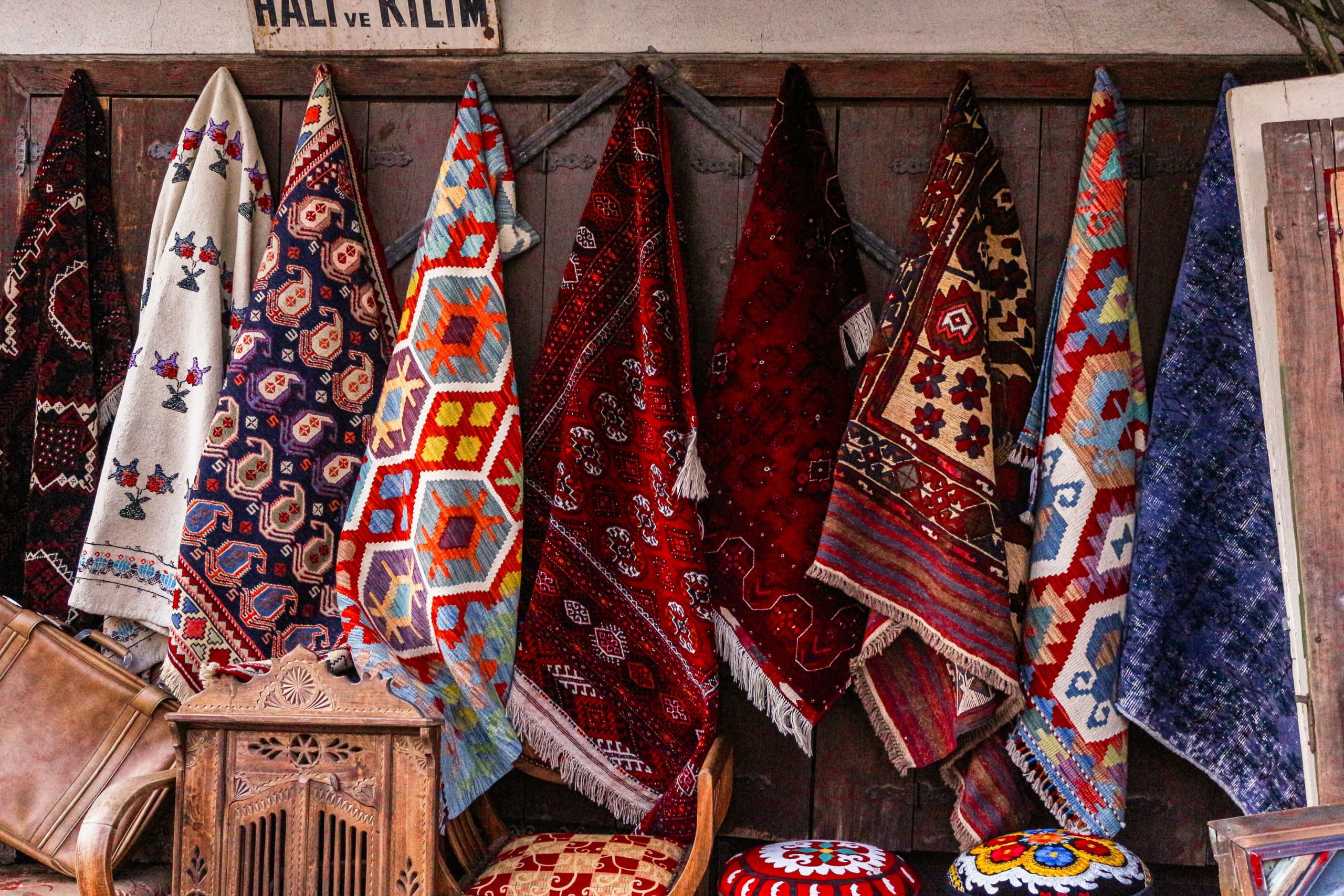
The Woven Village: How the Ancient Law of 'Adwal' Shapes Moroccan Rugs
Discover the Amazigh tradition of 'Adwal' (mutual aid). Learn how authentic Moroccan rugs are born from the vibrant, communal craftsmanship of tribal women.

Nomadinas
Managed by Mustapha Hnan
Ouarzazate, Drâa-Tafilalet
5.0(10)
70 sales
Member since 11 mois sur Etsy
Usually responds within quelques heures