Loading
(70 sales)
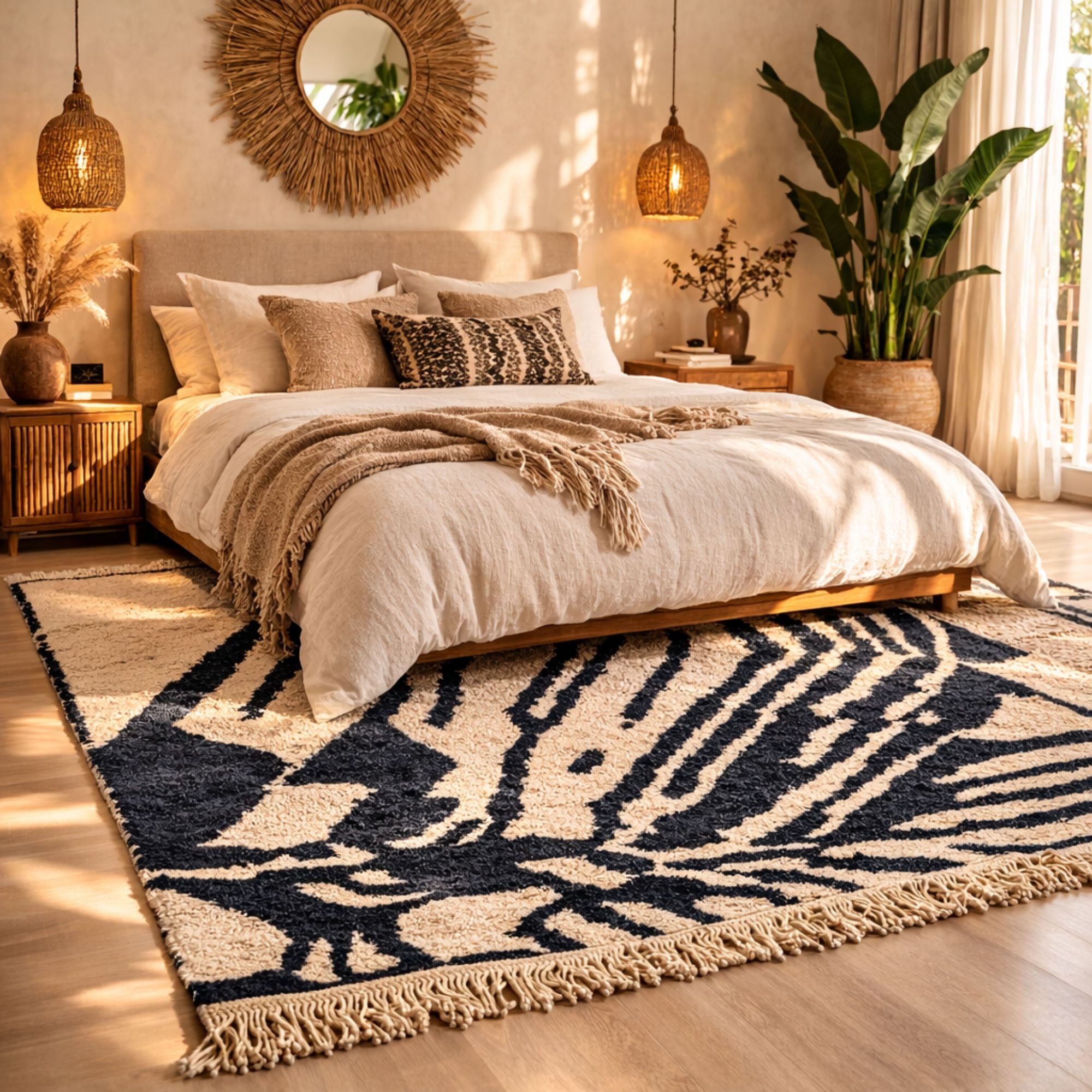
Hand-Knotted Terracotta Mrirt Wool Rug — Medium for Studio
Mrirt · Handmade in Morocco
$79.00$15853% off
Star Seller · Typically responds within a few hours
Highlights
- Handmade in Morocco
- 100% Wool
- Terracotta color palette
- Free DHL Express worldwide shipping
- 30-day returns accepted
Months in the making, this Mrirt rug from Morocco brings together terracotta hand-spun wool and wide striped motifs that trace their language back through generations of weaving. It arrives as a textile, but carries the weight of tradition. A single Mrirt rug can take two to four months to complete, depending on its size and the complexity of its wide striped field. The weaver works without a cartoon or plan — the design grows organically as the wool passes through their hands. The flat wool surface catches light unevenly, shifting as the angle changes. This is not a uniform textile. Shadows collect in the low points between knots; highlights catch on the raised areas. The surface has a quiet animation that changes with the time of day. Hand-knotting at this density produces a rug built for daily life. The wool compresses and rebounds. The structure holds under furniture, foot traffic, and the normal wear of a lived-in home. With reasonable care, a rug of this construction lasts through decades of use. Place it in a living room, and it defines the zone. Use it in a bedroom, and it adds warmth at the foot of the bed without drawing focus. The rug adapts to its context because its palette is restrained and its pattern has rhythm rather than insistence. Over time, the surface will settle. The wool will soften underfoot. The colors may shift slightly as the natural dyes age. A hand-knotted rug does not arrive finished in the same way a factory product does. It continues to develop character as it is lived with. Designed to hold its place across years and through changes, this Mrirt rug earns its keep in a home. It asks for attention when unfolded and rewards patience as it settles. The terracotta ground and wide striped rhythm will wear well, not because the design is safe, but because it is honest.
Free worldwide shipping
30-day returns
- Size
- All sizes available
- Material
- 100% Wool
- Origin
- Morocco
- Color
- Terracotta
- Best for
- Living Room, Studio
You may also like
View all

.jpg&w=2560&q=75)
From the blog
View all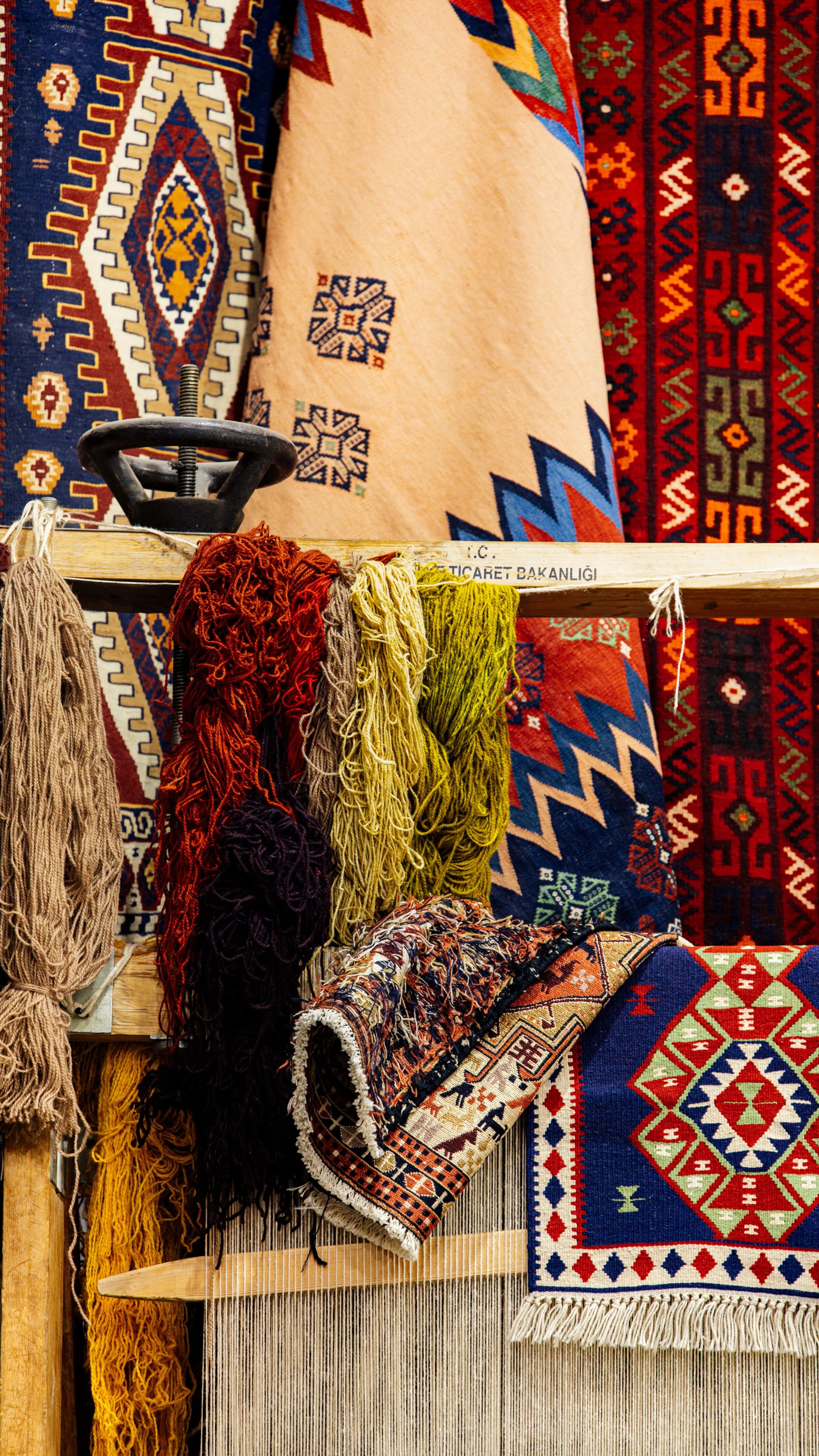
Moroccan Rugs·8 min read
The Architect's Obsession: Decoding the Modernist Secret of Moroccan Rugs
Explore the aesthetic parallels between classic modernism and Moroccan tribal carpets. Discover how architects and artists found their muse in Amazigh weaving.
Amazigh Culture·8 min read
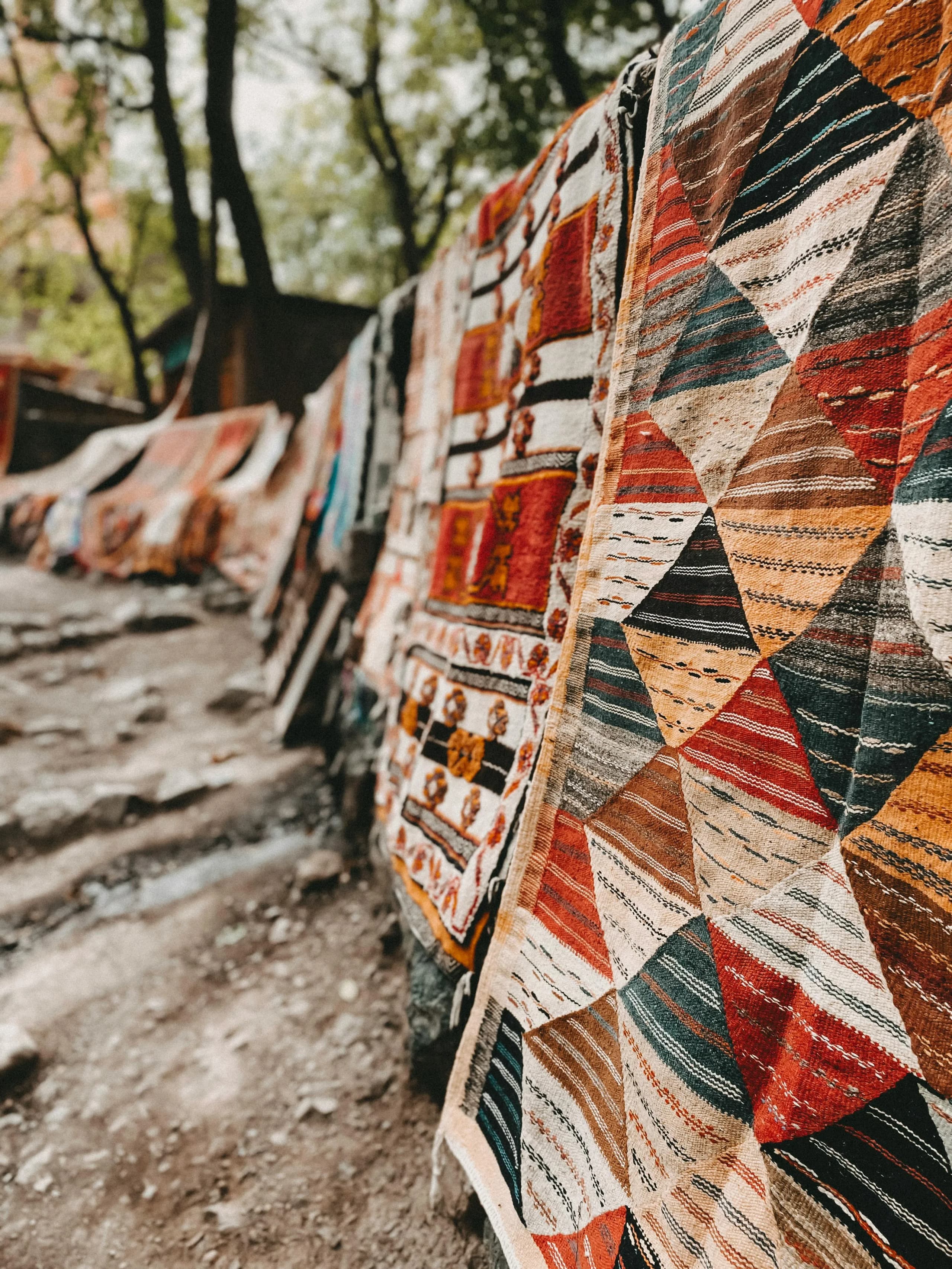
The Keepers of the Motif: How Amazigh Women Weave the Soul of Morocco
Discover how Amazigh women preserve Moroccan heritage through rug weaving. Explore the deep meanings of Berber symbols, from diamonds to fertility motifs.

Nomadinas
Managed by Mustapha Hnan
Ouarzazate, Drâa-Tafilalet
5.0(10)
70 sales
Member since 11 mois sur Etsy
Usually responds within quelques heures