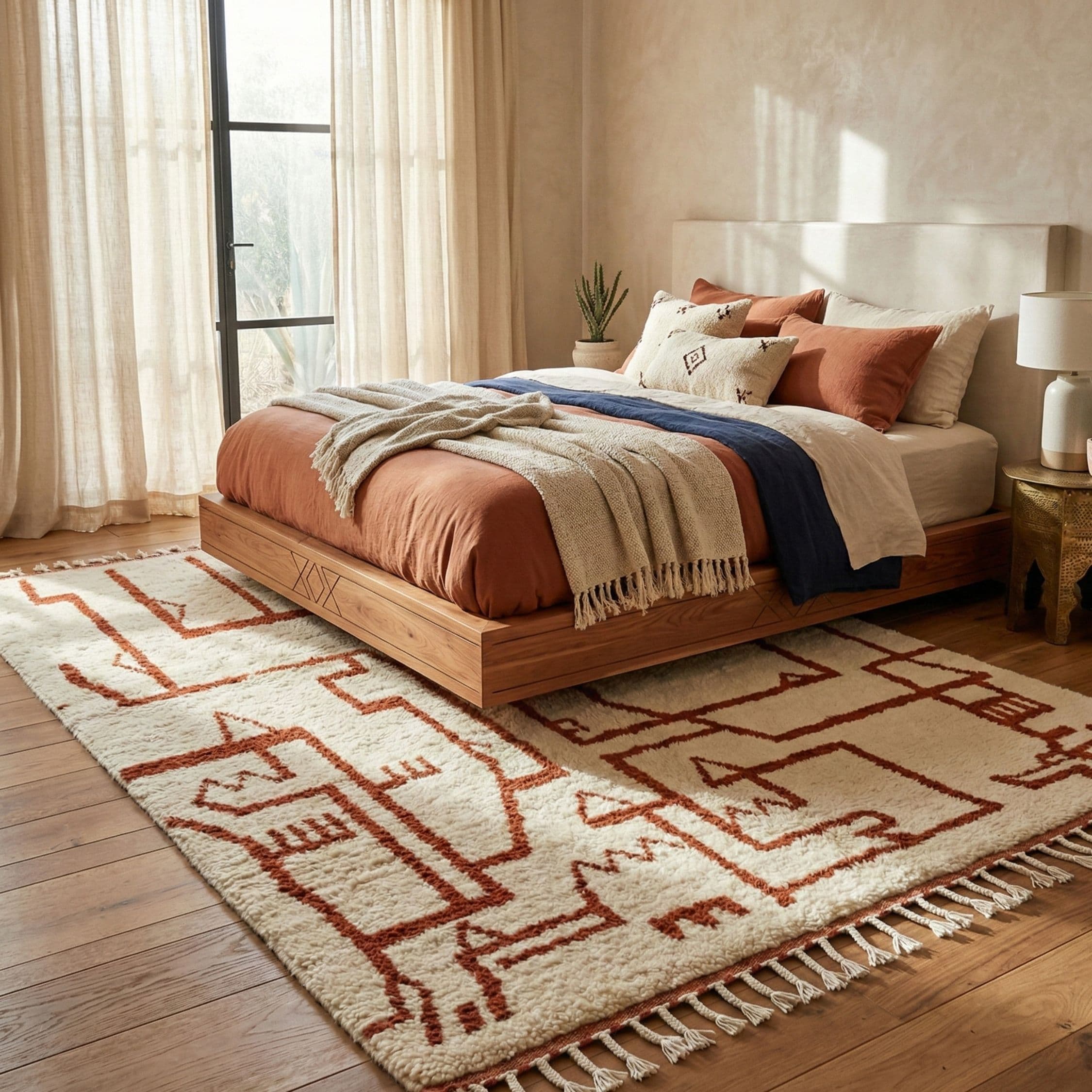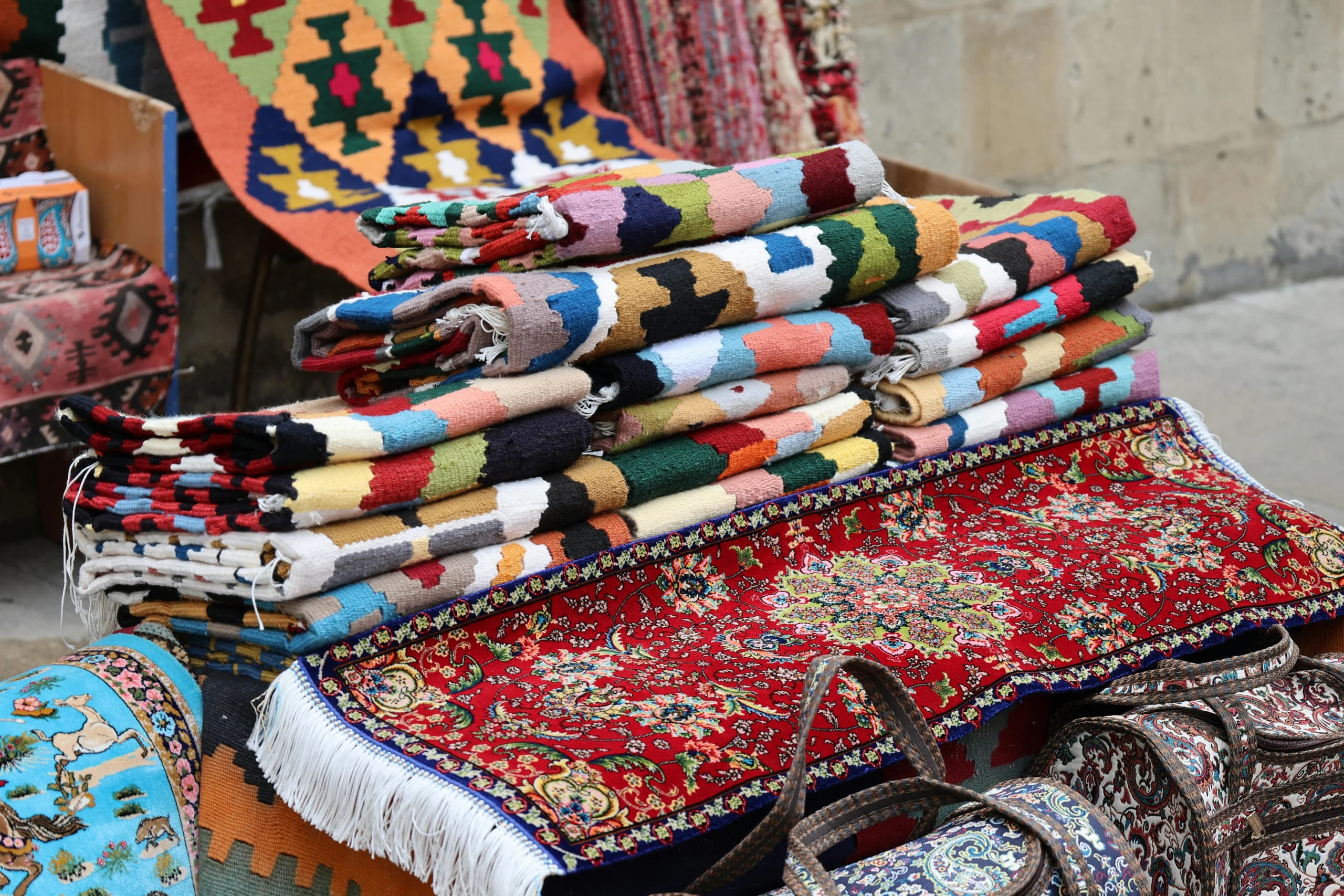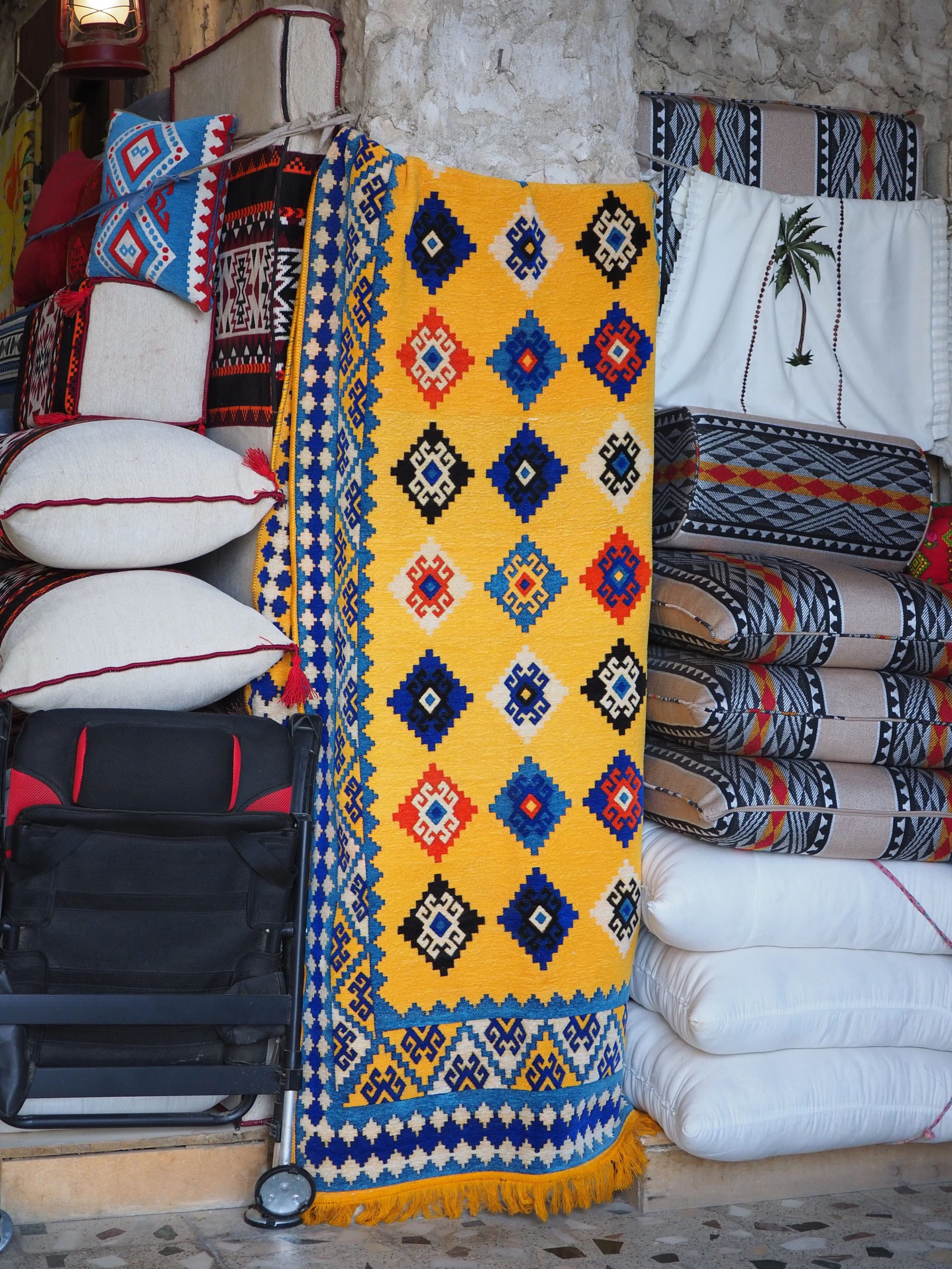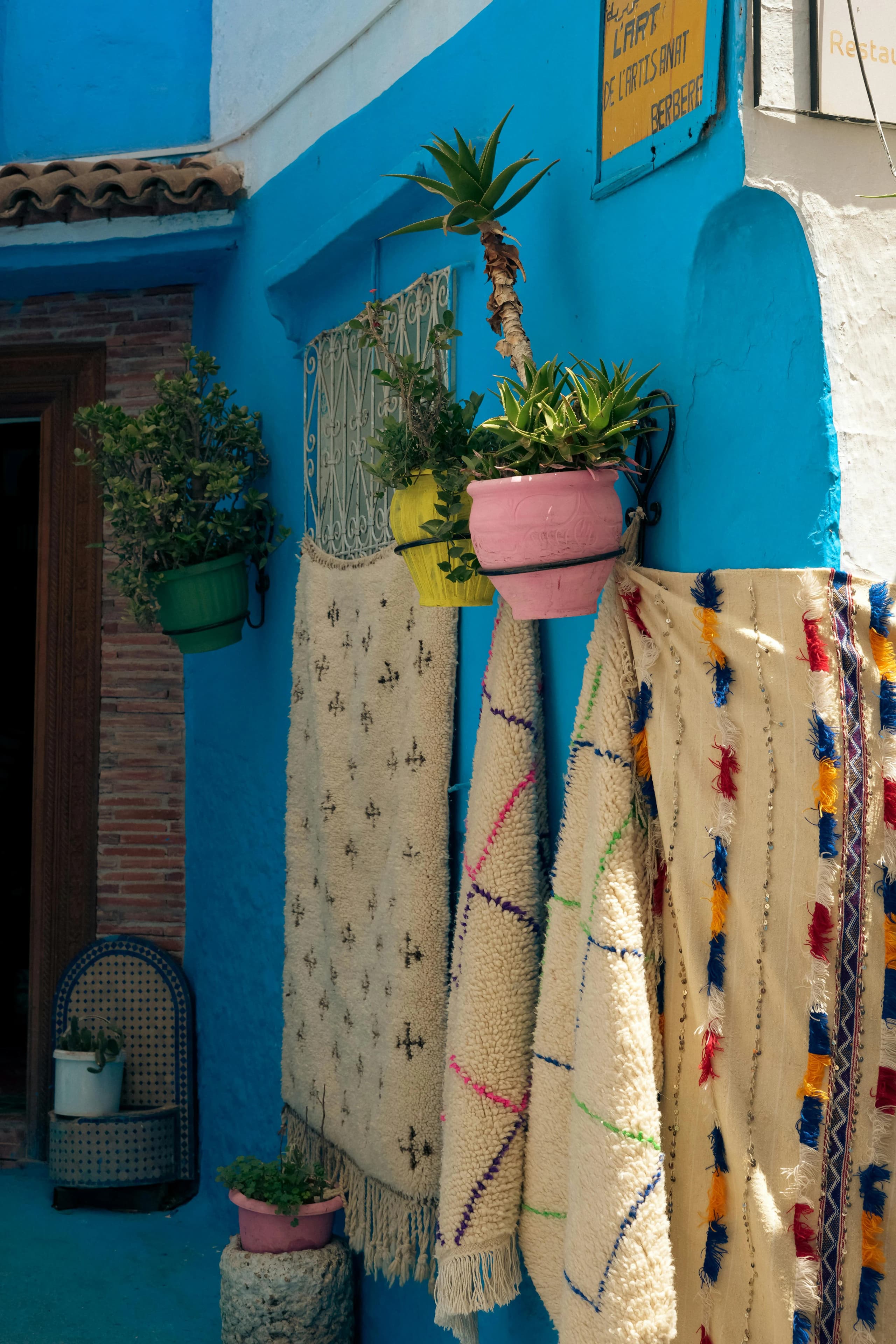
In the villages of the Middle and High Atlas Mountains, the sound of the loom is as familiar as the wind. For centuries, Berber women have woven their world into rugs — and they continue this tradition today.
> Did you know? Berber rug weaving is one of the oldest continuous textile traditions in the world, with archaeological evidence tracing back over 8,000 years to the Neolithic Sahara. The techniques used by today's weavers — hand-spinning wool on a drop spindle, knotting on a vertical loom, and dyeing with plants — are essentially unchanged from methods practiced by their ancestors. A single weaver spends 2-6 months completing one rug, producing approximately 150,000-300,000 hand-tied knots per square meter.
A Living Heritage
Berber rug weaving predates Islam in North Africa. The techniques, symbols, and traditions are Amazigh (Berber) in origin — one of the oldest continuous cultures in the world.
Each generation of women learns from the one before it. Grandmothers teach mothers who teach daughters. The knowledge lives in hands, not books.
The Weaving Process
1. Shearing (Spring)
Wool is sheared from local sheep in spring when the fleece is at its best. Highland sheep produce wool that's both soft and durable — ideal for rugs.
2. Washing
The wool is washed in mountain streams or with well water. This removes dirt and lanolin while keeping the wool's natural oils intact.
3. Spinning
Using a drop spindle (a simple wooden tool), the weaver spins the wool into yarn. This is done by hand — every thread. A single rug requires miles of hand-spun yarn.
4. Dyeing
Natural dyes are prepared from plants gathered in the surrounding landscape:
- Madder root: Reds, browns, pinks
- Indigo: Blues
- Saffron, pomegranate, wildflowers: Yellows and golds
- Walnut husks: Deep browns
- Un-dyed wool: Creams, whites, and natural browns
The wool is simmered in large pots over open fires. Each batch is unique — the exact shade depends on the plant, the water, the season.
5. Weaving
The weaver works on a vertical loom, typically set up in her home. She knots each row by hand, following no pattern — working from memory, tradition, and creative impulse.
A medium-sized rug takes 2-4 months of daily work. A large Mrirt can take 6 months or more.
6. Finishing
Once the rug is complete, it's removed from the loom, the edges are finished, and the surface is trimmed for evenness. Some weavers sign their rugs with a personal mark.
The Social Role of Weaving
Weaving is not just craft — it's community. Women often weave together, sharing stories, songs, and knowledge. The loom is a gathering place.
For many Berber women, weaving is also economic independence. Selling rugs directly — as they do through Nomadinas — gives women control over their income and livelihood.
Regional Differences
Middle Atlas
Home to Azilal, Boujaad, and Mrirt styles. Rich, colorful rugs with strong symbolic content.
High Atlas
Beni Ourain territory. Cream rugs with geometric patterns. The style most people recognize as "Moroccan rug."
Eastern Atlas
More kilim production — flat-woven rugs that are lighter and often more colorful.
Threats to the Tradition
Like many ancient crafts, Berber weaving faces modern pressures:
- Cheap machine-made imitations flooding the market
- Younger generations moving to cities
- Synthetic dyes replacing natural ones
- Middlemen exploiting weavers with unfair prices
This is why buying authentic, directly-sourced rugs matters. Every purchase supports a weaver, preserves a tradition, and keeps the loom sounding in the Atlas Mountains.
The Future
Despite challenges, the tradition endures. Berber women continue to weave, and global appreciation for handmade, authentic craft is growing.
At Nomadinas, we work with over 30 weavers across the Middle Atlas. Each one is paid fairly per rug — not per hour. We photograph each piece and sell directly, ensuring the weaver's work reaches the homes where it belongs.
The loom keeps sounding. The rugs keep telling their stories. And the women who weave them keep a thousand-year-old tradition alive, one knot at a time.