When we look at a map of the world, it is easy to view the Sahara Desert as an insurmountable barrier—a vast ocean of sand dividing North Africa from the rest of the continent. But to understand the true pulse of Moroccan craftsmanship, one must shift this perspective entirely. For millennia, the Sahara was not a wall; it was a bustling highway.
The ancient trans-Saharan trade routes were the arteries of the continent, pulsing with the exchange of gold, salt, spices, and, most importantly, culture. It is within this constant, rhythmic migration that the Afro-Berber identity was forged. At Nomadinas, we believe that to truly appreciate the depth of a hand-knotted Atlas mountain rug or the indigo dye of a desert textile, we must honor the profound connection between the Amazigh (Berber) peoples and their Sub-Saharan neighbors.
This is not a story of isolated mountain tribes. It is a sweeping, continent-spanning narrative of shared materials, shared rhythms, and a shared reverence for the earth.
The Sahara as a Bridge, Not a Barrier
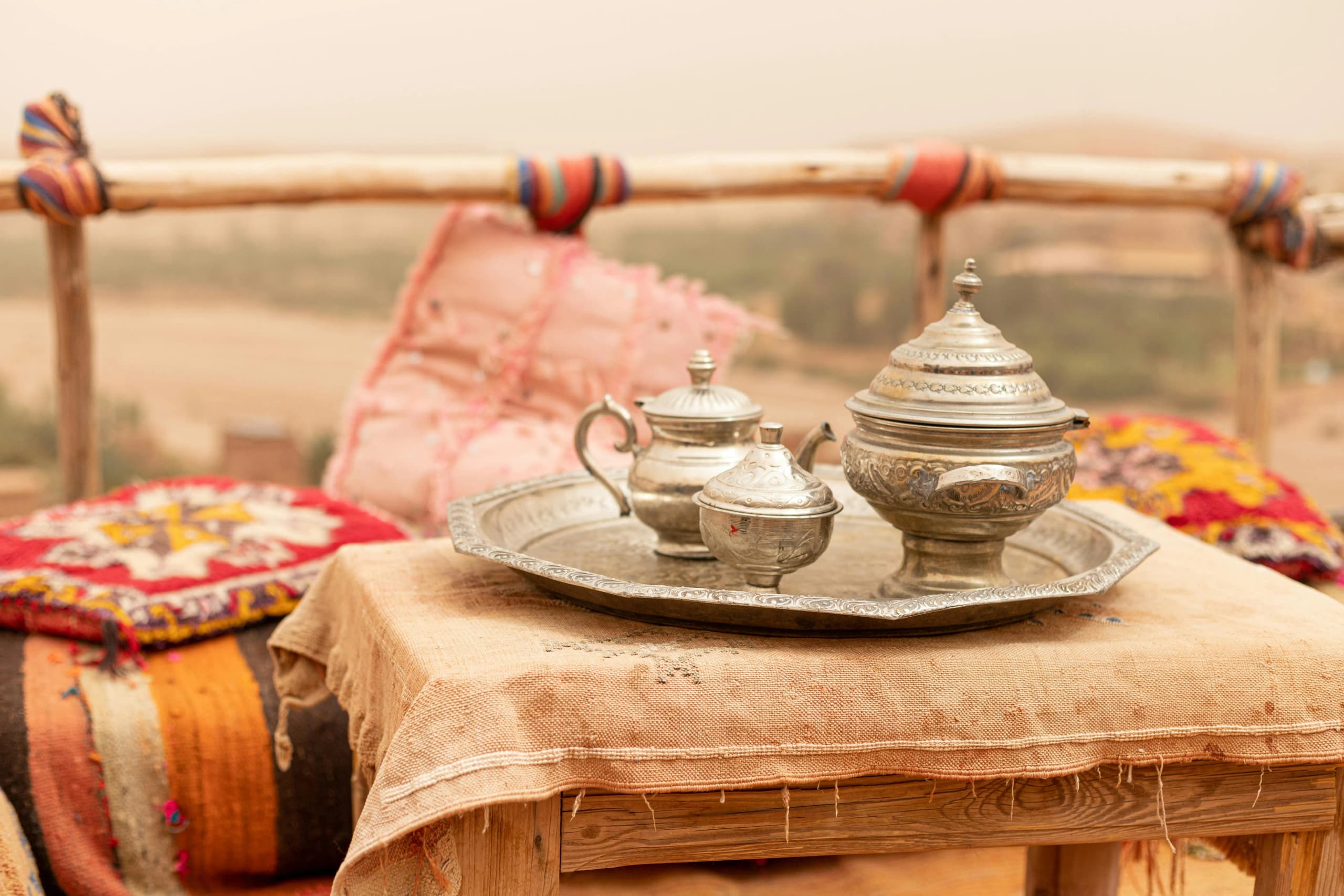
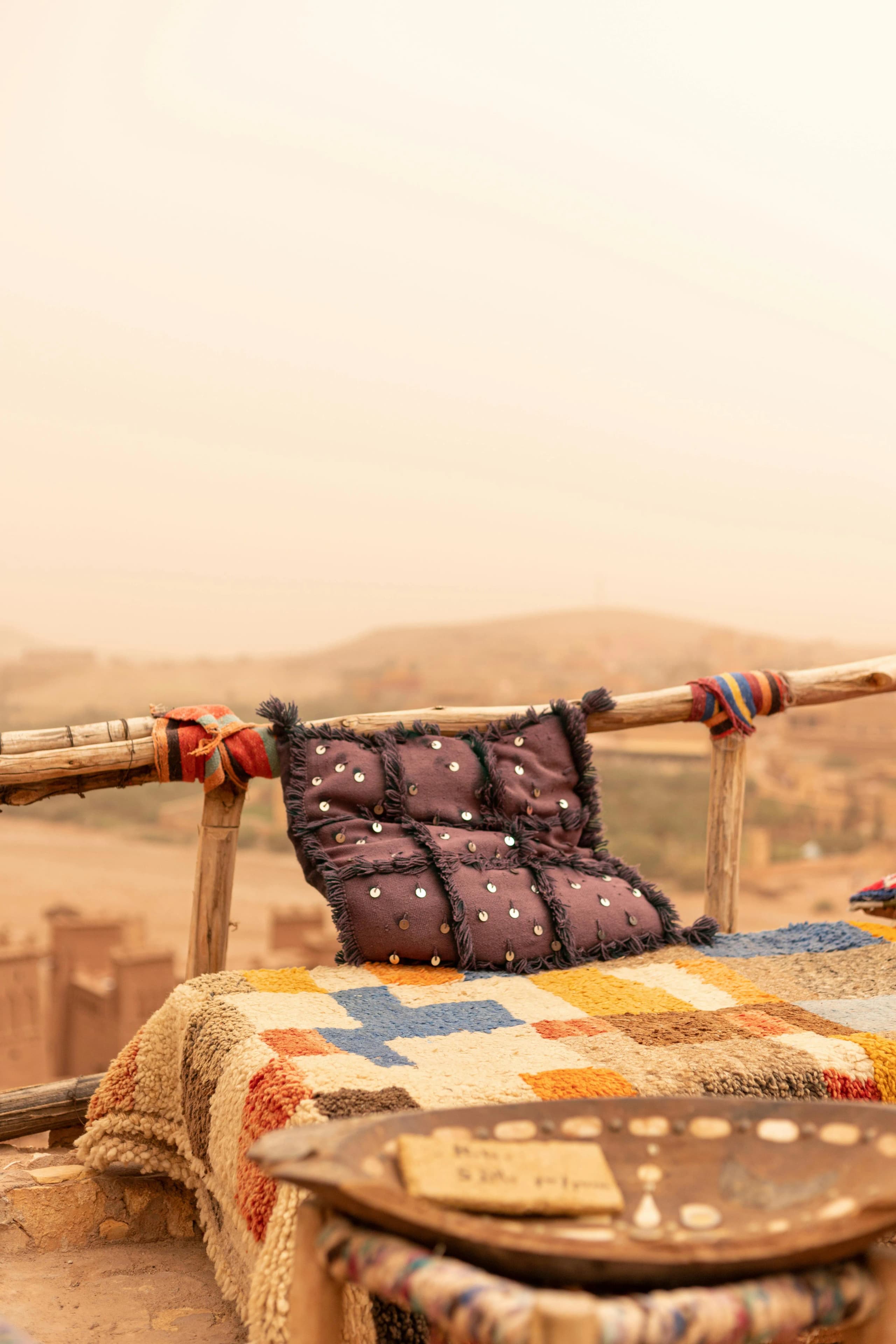
For centuries, caravans navigated the unforgiving expanses of the desert, connecting ancient cities like Marrakech and Sijilmasa to Timbuktu and the Niger River valley. With the merchants came an extraordinary cross-pollination of aesthetics.
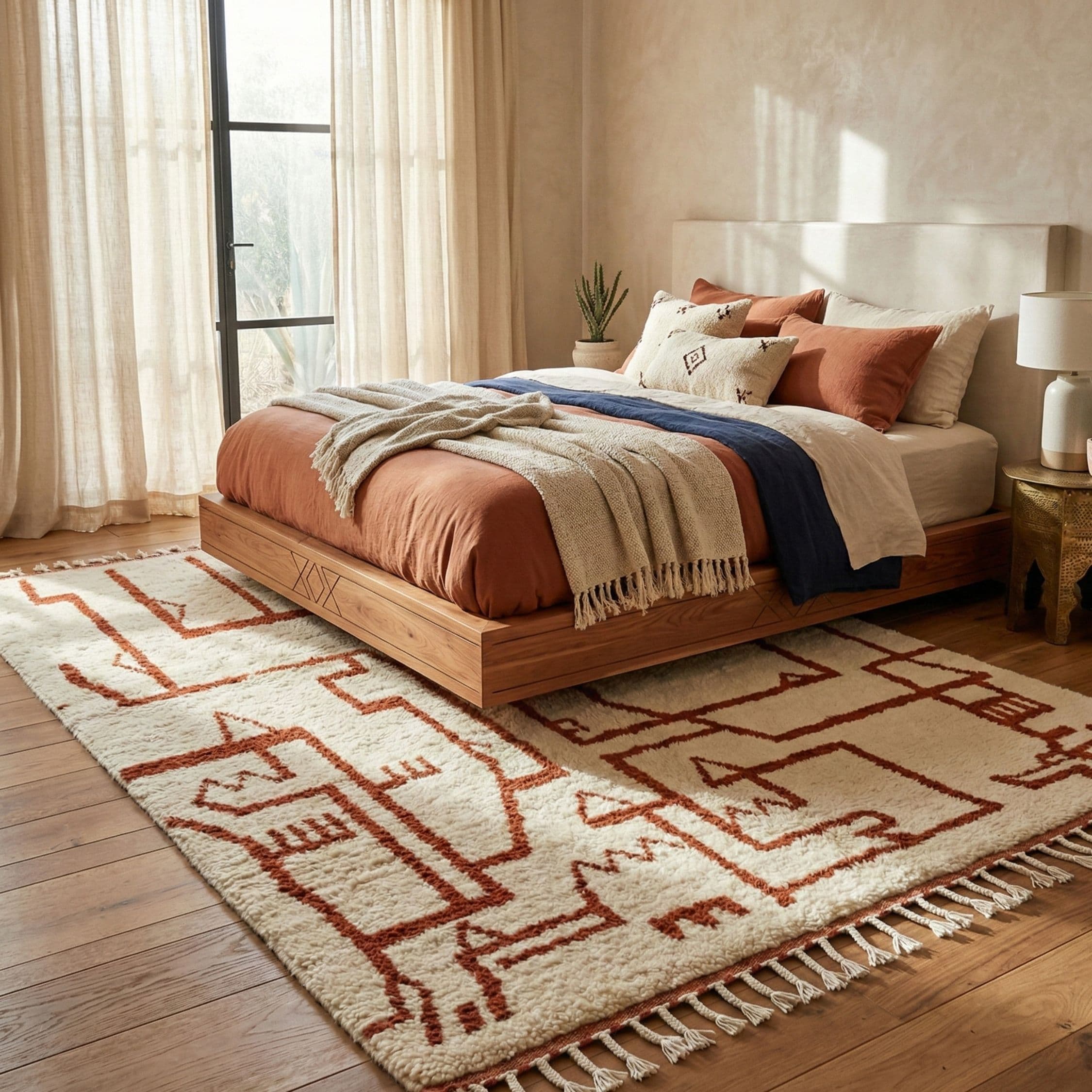
The Amazigh nomads of the north and the diverse ethnic groups of the Sahel engaged in a continuous dialogue of design. You can see this visual conversation in the shared geometry of their artifacts, the mutual reliance on natural materials, and the striking similarities in their musical rhythms. The sharp, triangular motifs woven into a Moroccan pile rug often echo the carved wooden masks and architecture found thousands of miles to the south.
This synthesis created a distinct aesthetic language—one that is rugged, deeply spiritual, and fundamentally tied to the natural world. It is a design philosophy that does not seek to conquer nature, but to collaborate with it.
The Bert Flint Paradigm: Shifting the Gaze
For a long time, the global appreciation of Moroccan art was heavily skewed toward the urban, Andalusian-influenced styles found in the imperial cities—the intricate zellige tilework, the refined stucco, the polished brass. While undeniably beautiful, this urban art tells only half the story.
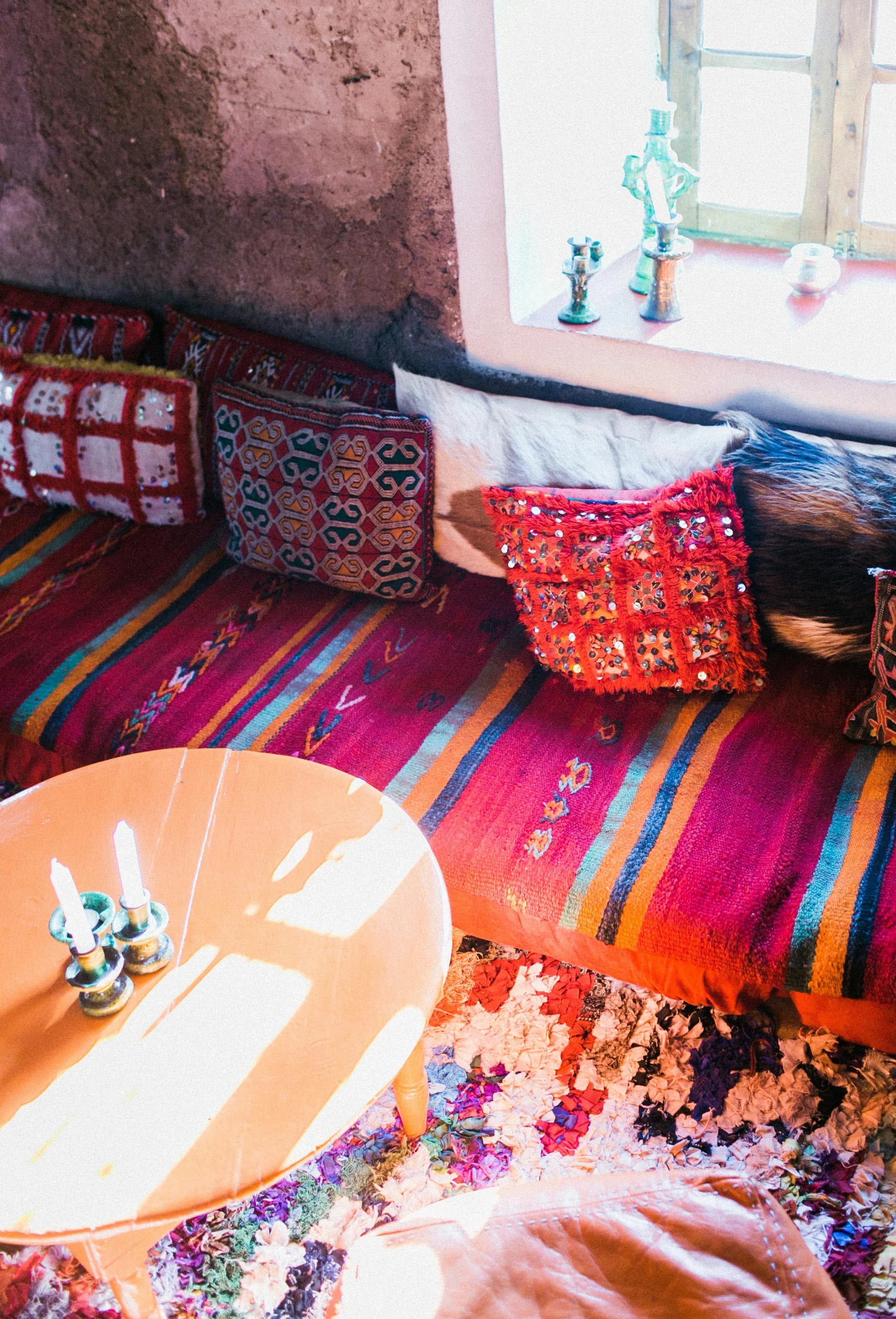
It took visionaries like the Dutch art historian and collector Bert Flint to redirect the world’s gaze toward the rural, indigenous soul of the country. Flint spent decades traveling through the Atlas Mountains and the Sahara, collecting everyday objects: woven tent dividers, raw leather pouches, wooden tools, and tribal jewelry. He recognized that these objects were not merely utilitarian; they were profound works of art that proved Morocco’s cultural heart beats in sync with the African continent.
The Afro-Berber heritage celebrates the beauty of the necessary. It is the art of the herdsman, the weaver, and the nomad. It finds luxury not in excess, but in the masterful manipulation of the earth’s raw materials—wood, earth, wool, and leather.
The Rhythms of Earth and Indigo
When you examine the artifacts born of this Afro-Berber lineage, two elements instantly command your attention: texture and color.
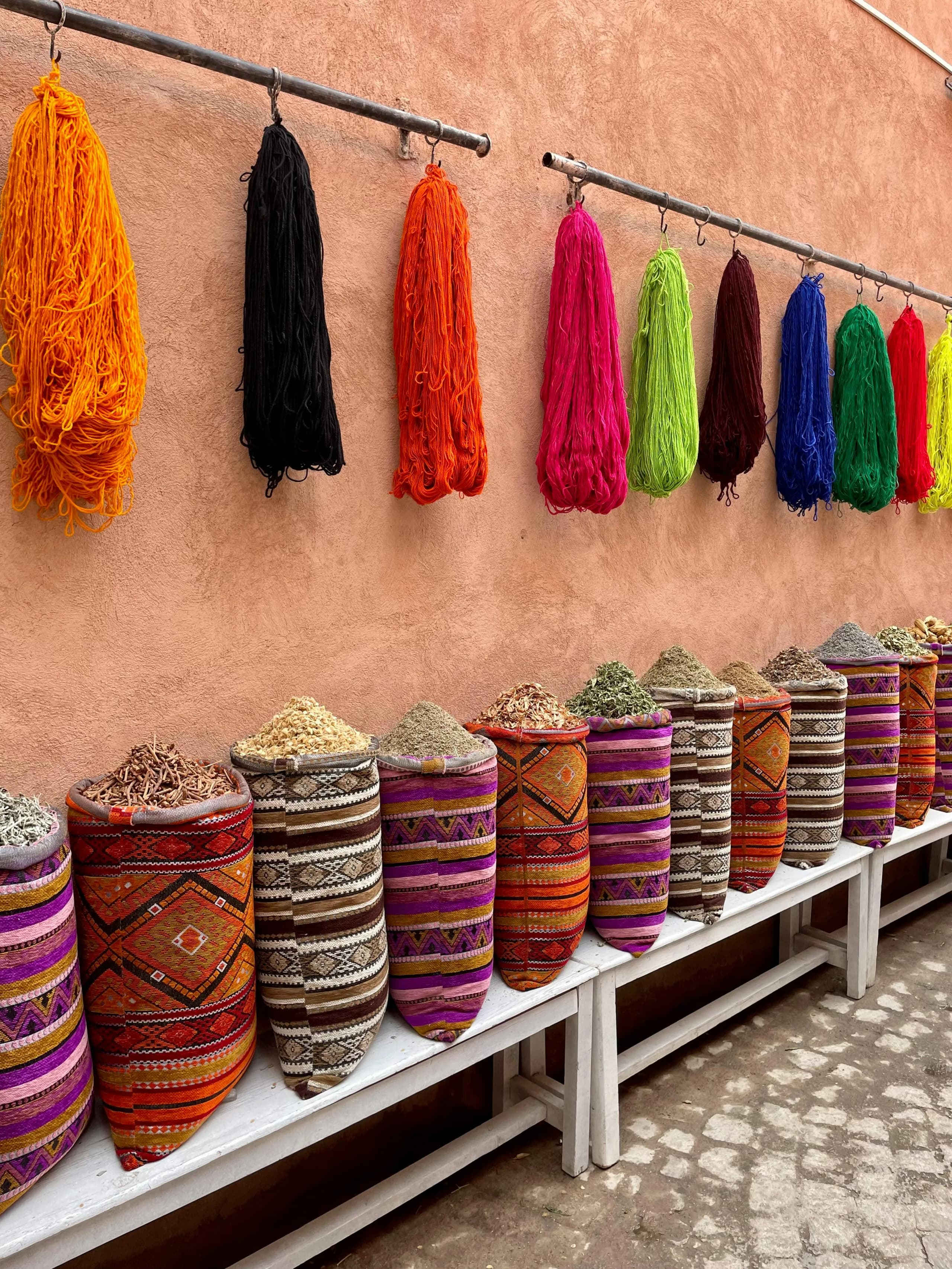
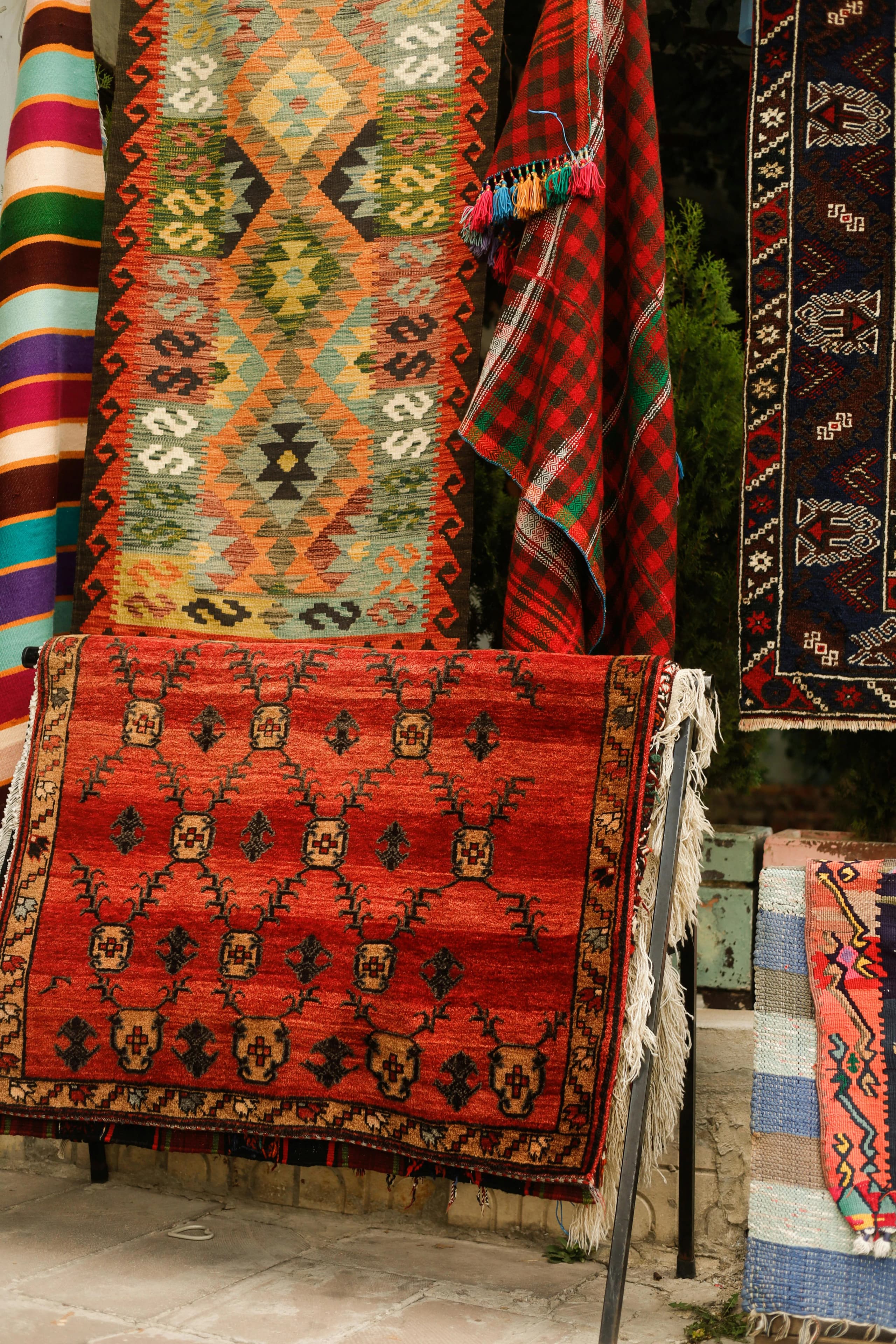
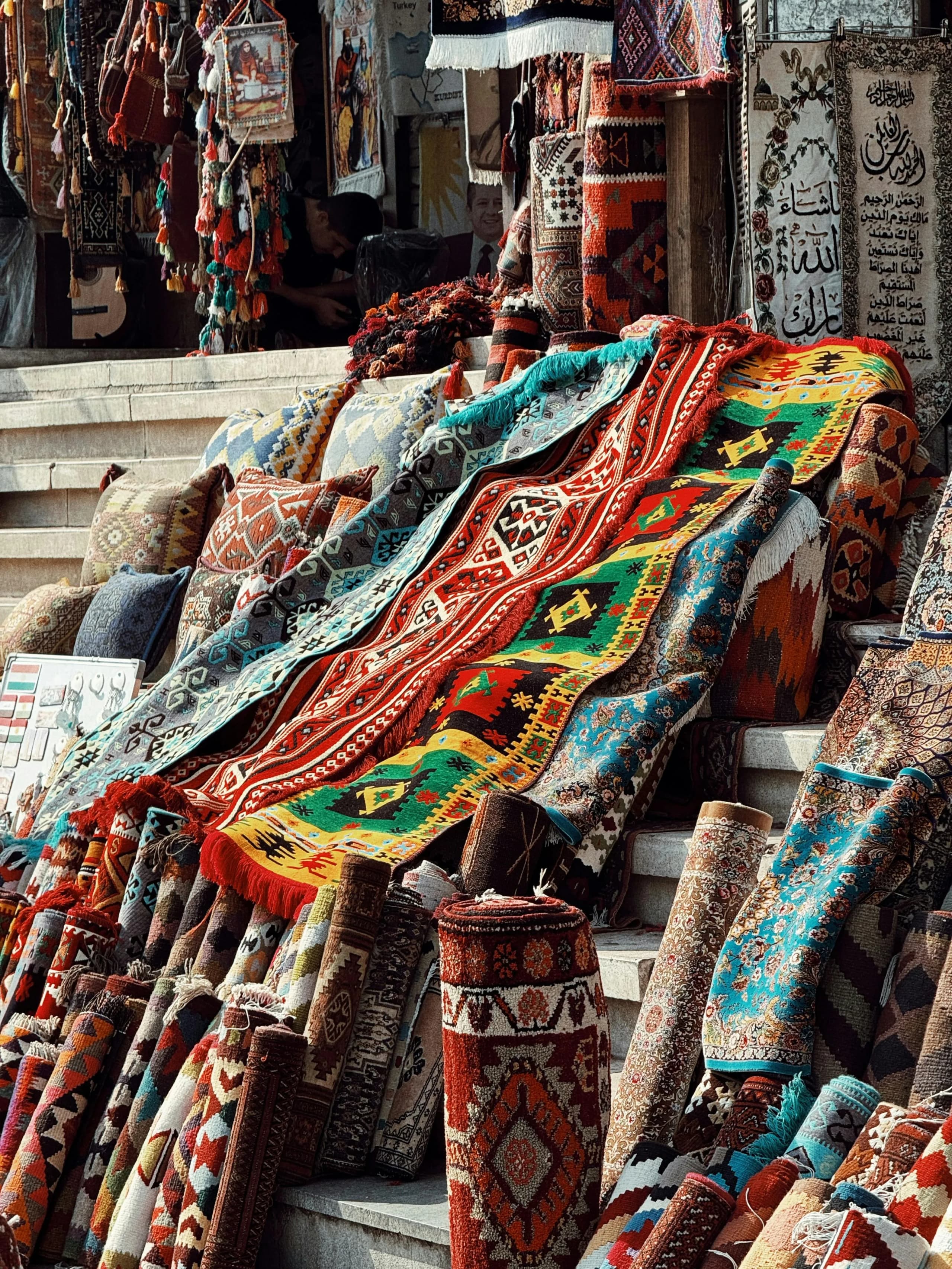
The materials used are inherently tactile. The wool of the High Atlas sheep is thick and heavy, designed to protect against freezing altitudes. The leather is sun-baked and sturdy. The visual rhythm of the weaving—often featuring asymmetrical patterns and syncopated geometric shifts—mirrors the polyrhythmic beats of traditional gnawa music, an art form directly born from the trans-Saharan exchange.
And then, there is the color. While the mountain weavers often relied on the natural ivory of the sheep or the rich reds of the madder root, the desert trade brought the magic of indigo. The deep, intoxicating blue became a hallmark of the nomadic tribes navigating the Saharan expanse. The Tuareg people, often called the “blue men of the desert,” wrap themselves in the iconic Tagelmust—a long, indigo-dyed cotton scarf that protects them from the harsh sun and sand. The dye is pounded directly into the fabric, leaving a shimmering, metallic sheen that eventually rubs off onto the skin of the wearer.
These textiles are not just garments; they are wearable testaments to a life of perpetual motion, deeply intertwined with the Afro-Berber legacy.
Curating the Nomadic Soul in Modern Spaces
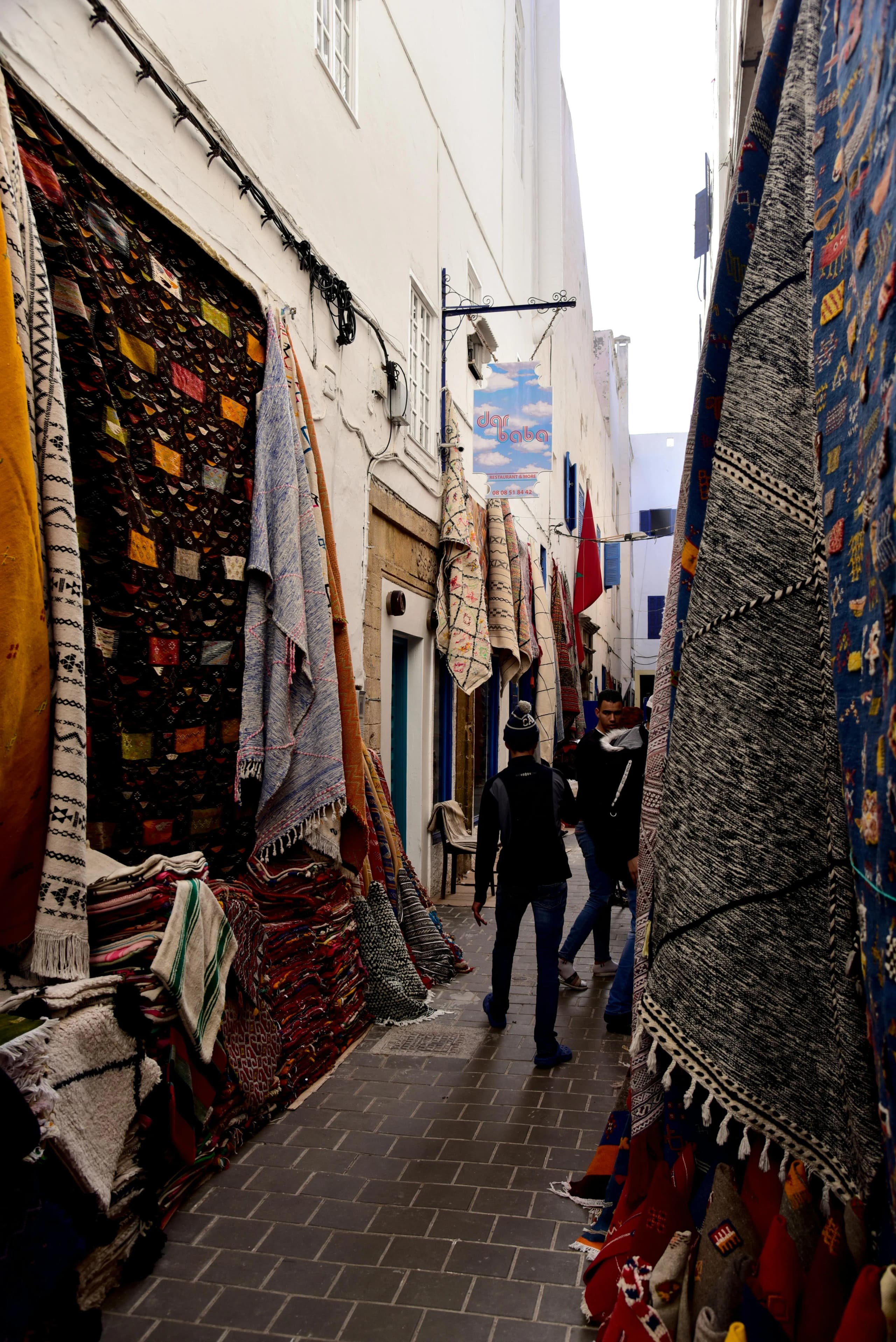
How does this ancient, rugged heritage translate to the modern interior? Seamlessly. In an era where contemporary design often leans toward the mass-produced and the overly polished, the raw authenticity of Afro-Berber craftsmanship provides a necessary grounding force.
Incorporating these pieces into a luxury space is an exercise in celebrating imperfection. The heavy, asymmetrical lines of a rural Moroccan rug bring warmth and architectural interest to a minimalist room. Draping a deeply pigmented Tuareg textile over a modernist chair introduces a compelling layer of history and texture. These are not quiet objects; they hold an energy and a narrative weight that fundamentally changes the atmosphere of a home.
They ask us to slow down. They invite us to run our hands over the spun wool and recognize the human effort—the days of carding, spinning, and knotting—that brought the piece into existence.
The True North of Nomadinas
Honoring the Afro-Berber heritage means rejecting the commodification of culture. It requires a commitment to sourcing pieces that carry the true, unadulterated DNA of the region.
Shipping directly from Morocco, we curate our collections to ensure that the vital connection between the artisan, the landscape, and the history remains unbroken. Whether it is the dense pile of an Atlas Mountain rug or the deep, historic indigo of a nomadic scarf, we bring you objects that transcend mere decoration. We offer you a piece of the continent’s soul—a testament to the weavers and wanderers who turned the harshness of the earth into enduring beauty.